- Aug 30, 2025
The Revolution in Disguise: How the Roman Republic Died While Pretending to Live
- Deep Online Courses
- 0 comments
There was no single day the Republic fell. Its end was the most successful political illusion in history.
Ask anyone when the Roman Republic ended, and you'll likely get a date: 44 BCE, when Julius Caesar was assassinated; 31 BCE, when Octavian defeated Antony and Cleopatra at Actium; or 27 BCE, when the Senate granted Octavian the title of "Augustus."
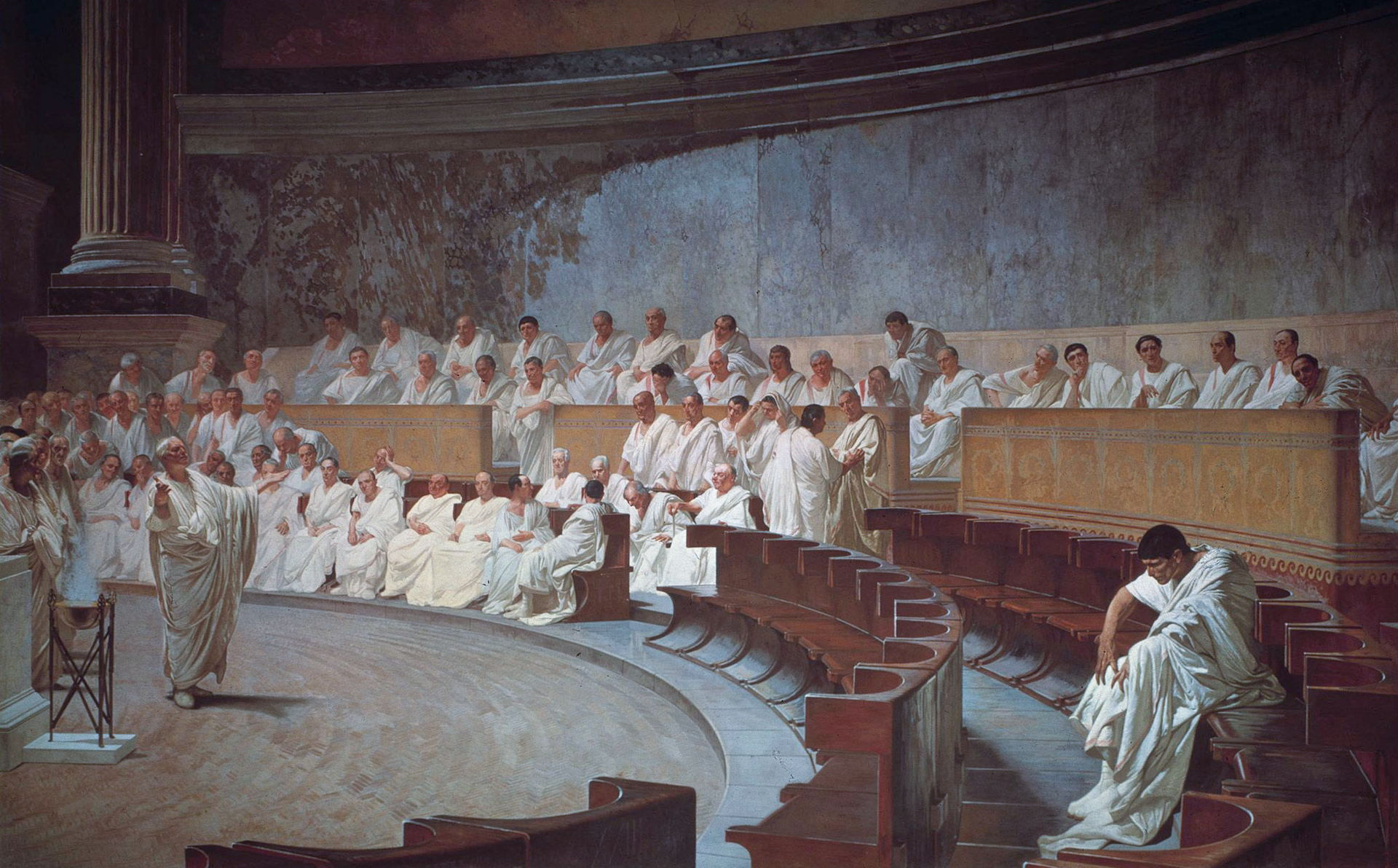
While these are all crucial moments, they miss the most fascinating and particular truth of this transformation: the Roman Republic wasn't overthrown in a single event. It was hollowed out from the inside, its legal and political structures preserved as a hollow shell while a new autocratic reality took shape within.
This was not a collapse, but a metamorphosis by stealth. Understanding this process is key to grasping the unique political genius of Rome and the true nature of the system Augustus built—the Roman Empire.
The Sickness Before the "Death"
Long before Augustus, the Republic was already terminally ill. The century following the reforms of the Gracchi brothers had demonstrated that the old system, the mos maiorum ("the way of the ancestors"), was broken. The unspoken rules of political conduct had been shattered by escalating violence.
Political power no longer flowed from debate in the Senate but from the loyalty of legions. Figures like Marius, Sulla, Pompey, and Caesar created a new template for power: the warlord with a private army who could march on Rome to get what he wanted. The civil wars they instigated were not just political disputes; they were the brutal death throes of a system that could no longer contain the ambitions of its most powerful men.
By the time Octavian, Caesar's heir, emerged victorious from the final civil war, the question was not if the Republic could be saved, but what would replace it. The Roman people were exhausted by decades of bloodshed and yearned for stability above all else.

The Genius of Augustus: Killing the Republic to "Save" It
Herein lies the particularity of the Roman transition. A lesser man might have declared himself king (rex), a title the Romans had despised for centuries. To do so would have been political suicide.
Augustus’s genius was far more subtle. He staged a masterclass in political theater known as the "First Settlement" in 27 BCE. He appeared before the Senate and dramatically announced he was restoring all his extraordinary powers back to them, thereby "restoring the Republic" (res publica restituta).
Of course, it was a carefully managed illusion. The grateful Senate, stacked with his own supporters, begged him to retain control and granted him new powers and the honorific title Augustus ("the revered one").
He built a new system, the Principate, that operated behind a Republican facade:
The Institutions Remained: The Senate still met. Consuls were still elected. The assemblies still passed laws. To the average citizen, the political machinery of the Republic appeared to be working perfectly.
The Language of a Citizen: Augustus never called himself emperor or king. He preferred the title Princeps—the "first citizen." He was merely the first among equals, a dedicated public servant working to maintain peace.
The Concentration of Power: In reality, Augustus held the real power. He controlled the most important provinces and, with them, the majority of the Roman legions. He held the power of a Tribune, giving him a veto and the ability to propose laws. By holding these key powers simultaneously, he ensured no one could challenge him.
He gave the aristocracy the illusion of shared governance, the people the promise of peace and stability (the Pax Romana), and kept the instruments of ultimate power—the army and the treasury—firmly in his own hands.
A Transition Without a Transition
This is why it is so difficult to pinpoint the "end" of the Republic. Romans living under Augustus, or even Tiberius after him, would not have said they lived in an "Empire." They believed they lived in a restored Republic, guided by its most distinguished citizen.
The transition from Republic to Empire was therefore not an event but a process of atrophy. The old institutions were not violently torn down but were gradually starved of their real power until they became ceremonial relics. The revolution had happened, but it was so brilliantly disguised as a restoration that it took generations for Romans themselves to fully grasp what had changed. It was a silent, constitutional coup that lasted a lifetime.
To truly understand the political, social, and military forces that made this incredible transformation possible, one must go deeper. In our full course on Roman History, we dedicate an entire module to analyzing this century of decay and reinvention, from the Gracchi to the establishment of the Augustan Principate.